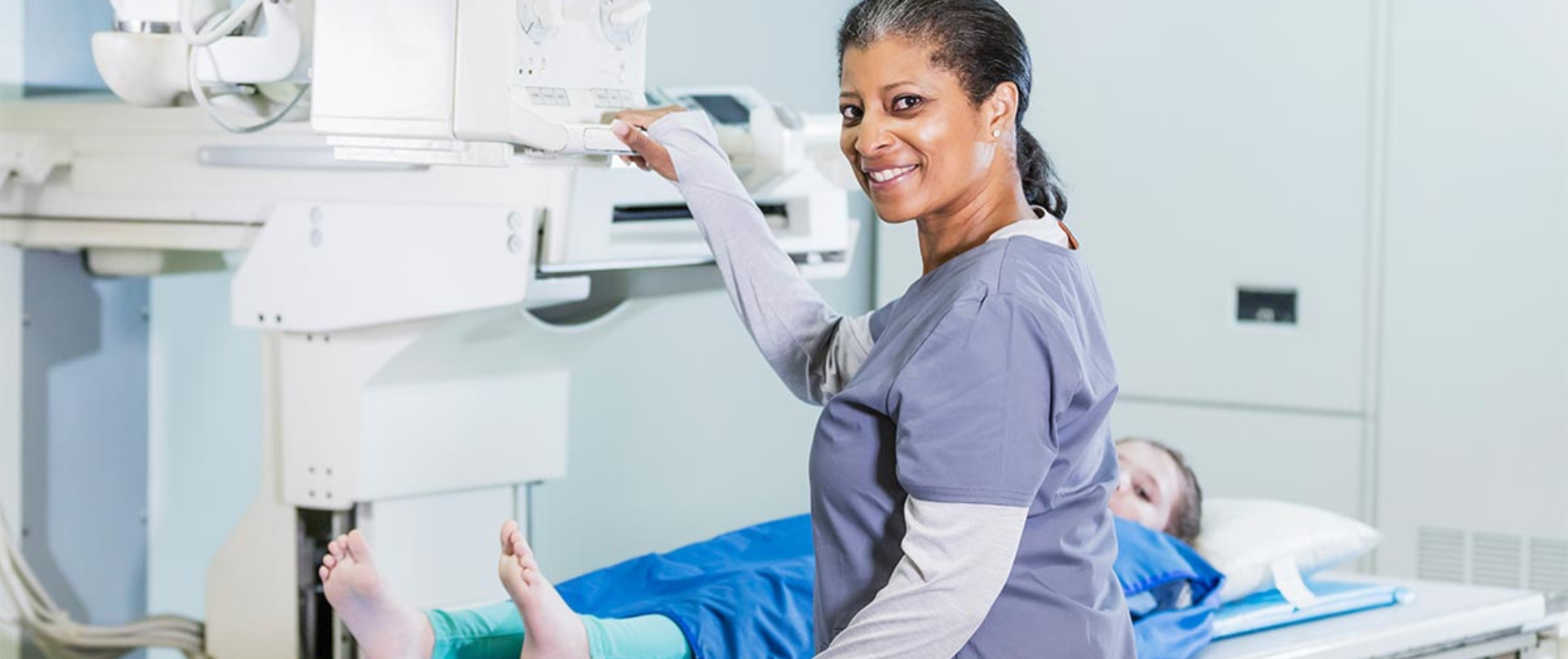
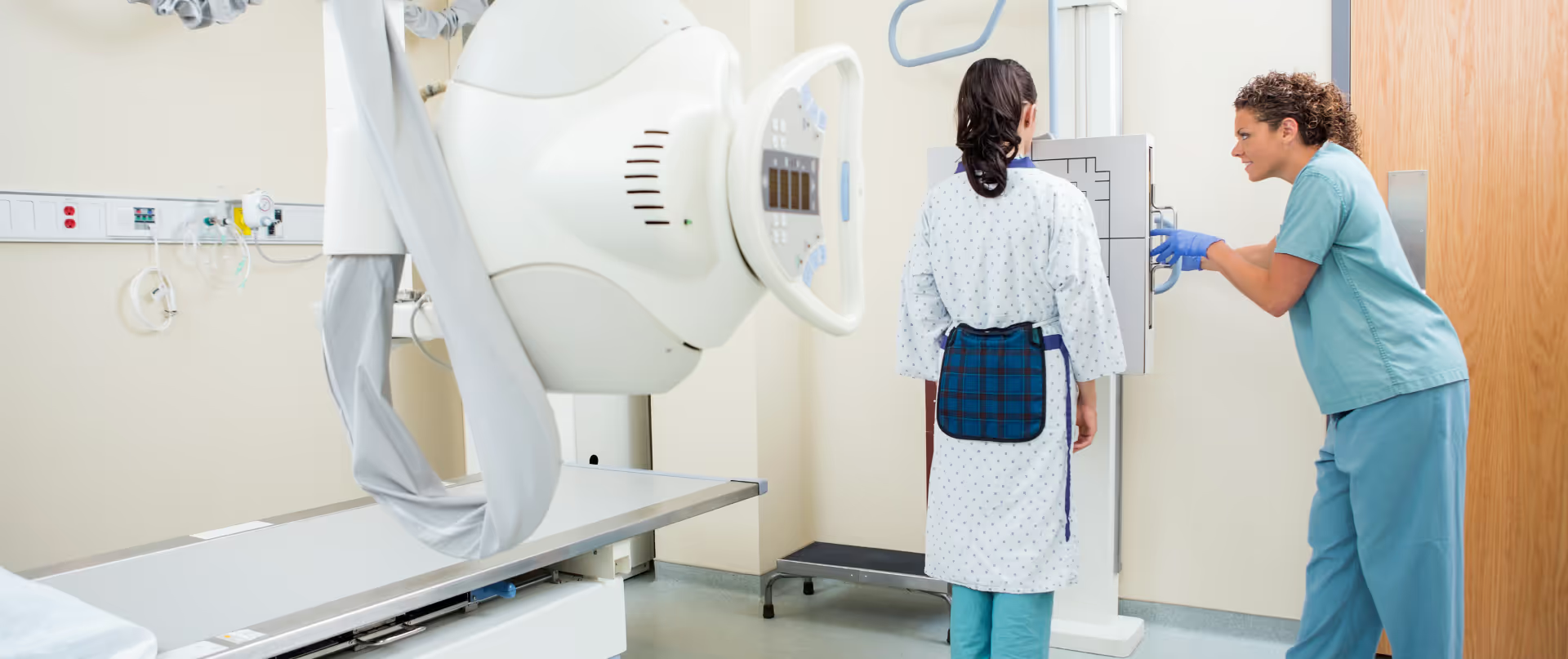
As a radiology technician, you're at the forefront of healthcare innovation and essential patient care. The demand for skilled imaging professionals is soaring nationwide, creating abundant career opportunities in radiologic technology across major regions like the Southeast U.S., California, and the Northeast. This growth isn't just another healthcare trend, it's a transformation of medical imaging, with technology driving a shift in how patient care is delivered. Whether you’re just starting your career or advancing your expertise, understanding the forces shaping the future of radiology tech jobs can help you position yourself for long-term success
TL;DR: Top Radiology Tech Career Opportunities and Trends
High Demand: The aging population is driving a surge in demand for radiologic technologists, offering ample career growth opportunities.
Specialization = Higher Pay: Roles in CT, MRI, Interventional Radiology, and Women's Imaging offer significant pay premiums—$5–8/hour more.
AI Enhancements: AI supports your work, automating repetitive tasks and allowing you to focus on patient care, boosting job satisfaction.
Expand Your Skills: Cross-training in areas like PET/CT and Cardiac CT can raise your value by 10-15%, making you more competitive.
Compensation Boosts: Certification bonuses, relocation assistance, and performance bonuses can add 15-25% to your total compensation.
Strategic Locations: Certain regions, like the Southeast U.S., offer strong job prospects with relocation incentives.
Why Your Imaging Expertise Is More Valuable Than Ever
Patient Demographics Creating Imaging Demand
The patients entering your imaging suite are increasingly older and managing multiple chronic conditions. Adults over 65—who require 2–3 times more imaging studies than younger patients—now represent healthcare's fastest-growing demographic. With 10,000 Americans turning 65 daily, imaging departments nationwide are expanding to meet this sustained demand surge.
Your expertise isn't just valuable—it's essential to diagnosing and monitoring conditions affecting this growing patient population.
Your Positioning Skills Can't Be Automated
While AI advances generate headlines, the reality in imaging departments proves that your specialized positioning skills remain irreplaceable. The most sophisticated equipment still requires your expertise to position patients correctly, especially those with mobility limitations, pain, or anxiety.
A recent survey of radiology department directors revealed that 92% consider technologist positioning expertise "critical or very important" to diagnostic quality, regardless of technological advances.
The Evolving Radiology Tech Role: Your New Opportunities
Beyond Traditional X-Ray: Where Technologists Are Advancing
Your career path now extends far beyond traditional radiography:
- CT Specialists: With 64+ slice scanners now standard and cardiac CT growing 22% annually, specialized CT technologists command $5–8/hour premiums over general radiographers.
- MRI Technologists: As waiting lists for MRI appointments grow, facilities are expanding hours and staffing. MRI techs with advanced certification now average $82,000 annually—approximately 18% higher than general radiographers.
- Interventional Specialists: Supporting minimally invasive procedures as alternatives to traditional surgery has become radiology's highest-compensated specialty. IR technologists typically earn 25–30% more than general radiographers while gaining procedural skills that parallel surgical technologists.
- Women's Imaging Specialists: With 3D mammography now standard and screening recommendations expanding, dedicated breast imaging technologists are in critical demand. The specialized positioning and patient interaction skills required in this role have created a distinct career track with premium compensation.
Expanding Your Technical Repertoire
Modern imaging departments increasingly value technologists who can operate across multiple modalities. Cross-training opportunities include:
- PET/CT fusion imaging for oncology applications
- Cardiac CT angiography for non-invasive coronary assessment
- Functional MRI for advanced neurological applications
- Tomosynthesis for enhanced breast imaging
- Dual-energy CT for advanced material differentiation
Each additional modality certification typically increases your market value by 10–15%, while making you significantly more valuable to employers facing staffing challenges.
The Patient Experience Specialist
Your role increasingly extends beyond technical imaging quality to managing the patient experience. As healthcare systems compete based on patient satisfaction metrics, your ability to reduce anxiety, clearly explain procedures, and provide compassionate care during potentially stressful examinations directly impacts facility ratings and reimbursement.
Imaging departments now frequently provide specialized training in:
- Anxiety reduction techniques for claustrophobic patients
- Communication strategies for patients with cognitive impairments
- Trauma-informed positioning approaches
- Pain management during extended imaging procedures
Technology Transforming Your Daily Work
AI Enhancement: Your New Digital Assistant
Rather than replacing your role, AI is becoming your assistant—handling repetitive tasks while allowing you to focus on patient care and specialized imaging challenges. Modern imaging departments are integrating:
- Automated image analysis tools that flag potential abnormalities
- Radiation dose optimization software that suggests parameter adjustments
- Scheduling algorithms that optimize patient flow through your department
- Quality assurance systems that identify positioning errors before patients leave
Technologists who embrace these tools rather than resist them report higher job satisfaction and often receive technology specialization pay differentials.
Radiation Safety Advancement
Your expertise in radiation safety has become increasingly valued as dose awareness grows. Departments are designating dedicated safety specialists who:
- Oversee dose optimization protocols
- Train staff on latest ALARA techniques
- Monitor cumulative exposure trends
- Implement specialized pediatric imaging protocols
- Serve as radiation safety liaisons with radiologists
These specialized safety roles typically command $3–5/hour premiums while providing leadership opportunities without requiring management responsibilities.
Advancing Your Imaging Career: Strategic Next Steps
Certification Pathways That Maximize Your Value
The certifications delivering the highest ROI for radiologic technologists in 2025 include:
- Computed Tomography (CT): Requiring documentation of 125 procedures across body regions, this credential increases earning potential by approximately $5–7/hour.
- Magnetic Resonance Imaging (MRI): Requiring 6–12 months of dedicated experience, this specialty offers both premium compensation and often more predictable scheduling.
- Mammography: With specialized patient interaction skills and positioning expertise, this credential creates opportunities in women's imaging centers with competitive compensation and often daytime-only scheduling.
- Vascular Interventional Radiography (VI): For technologists interested in procedure-based work, this advanced credential provides access to the highest-paying technologist positions in most markets.
Many employers now offer certification support programs, covering examination costs and providing paid study time for technologists pursuing these high-demand specialties.
Emerging Opportunities in Imaging Leadership
As departments expand, new leadership positions are emerging that don't require leaving clinical practice:
- Clinical Educators: Teaching positioning techniques and new technology applications
- Modality Specialists: The go-to expert for a specific imaging type
- Protocol Standardization Leads: Ensuring consistency across multiple sites
- Quality Improvement Coordinators: Analyzing reject rates and implementing refinements
- Technology Implementation Specialists: Leading transitions to new equipment
These roles typically offer salary premiums of 15–20% while allowing you to maintain clinical skills.
Compensation Trends You Should Know
Beyond Base Salary: The Complete Compensation Picture
While base salaries continue rising (5–7% annually over the past three years), the most significant compensation improvements include:
- Certification differentials of $2–5/hour per additional credential
- Clinical ladder programs with advancement criteria
- Performance bonuses tied to quality and satisfaction metrics
- Retention bonuses (typically years 3, 5, and 10)
- Student loan repayment assistance ($5,000–$10,000 annually)
- Employer-funded continuing education accounts
These enhancements often represent 15–25% of total compensation beyond base salary.
Geographic Considerations in Your Career Planning
While national demand remains strong, certain regions offer particularly compelling opportunities:
- Southeast coastal markets (Florida to Virginia) with expanding retiree populations
- Mountain West states (Colorado, Utah, Idaho) with rapid population growth
- Rural critical access hospitals offering substantial recruitment incentives
- Academic medical centers expanding specialized imaging services
Many facilities in high-need areas now offer relocation packages ($5,000–$15,000) and housing assistance programs.
FAQ Section for Radiologic Technologists
Q: How will AI advancements affect my job security as a radiologic technologist?
AI is augmenting your role rather than replacing it. While AI systems can now flag potential abnormalities and optimize technical factors, they cannot position patients, manage contrast reactions, or provide the critical thinking needed for non-standard situations. Technologists who develop AI collaboration skills are seeing increased value and often qualify for technology specialist differentials of $2–4/hour.
Q: Which imaging specialization currently offers the best combination of demand and compensation?
Interventional radiology consistently ranks highest in both compensation and growth potential. IR technologists typically earn 25–30% above general radiography salaries while developing procedural skills. The specialty's growth is driven by the continued shift toward minimally invasive surgery alternatives.
Q: How much additional income can I expect from obtaining a CT or MRI certification?
Dedicated CT technologists typically earn $5–8/hour above general rates (~$10,000–$16,000/year). MRI specialists see premiums of $7–10/hour, or $14,000–$20,000 annually. Many employers also offer certification bonuses of $1,000–$3,000.
Q: What's the typical timeline for advancing from entry-level to specialized imaging roles?
Most specialty paths require 12–18 months of general radiography experience before specialization. Senior status typically follows in 3–4 years. The fastest advancement comes from earning one primary specialty credential (CT, MRI, or mammography), followed by a secondary certification.
Q: Are there remote work possibilities in radiologic technology?
Yes. While direct imaging is on-site, emerging hybrid roles include:
- Teleradiology QA reviewers
- PACS administrators
- Image post-processing specialists
- Remote clinical educators
- Virtual second reads for specialized studies
These typically require 3+ years of experience and advanced technical training.
Conclusion
The demand for radiologic technologists represents one of healthcare's most significant career opportunities. By strategically pursuing specialized certifications, embracing technological advancements, and positioning yourself in high-demand regions, you can maximize both professional satisfaction and financial growth.
The evolution of medical imaging continues to elevate the importance of your unique skills. As technology advances, your expertise in patient positioning, radiation safety, and procedural support becomes even more essential.
DirectShifts specializes in connecting imaging professionals with premium roles aligned with your goals. Our expert recruiters understand today’s imaging market and are ready to help match your skills with top-tier opportunities.
Take the next step in your career! Join DirectShifts to connect with employers seeking allied health professionals like you. Sign up now to explore exciting opportunities!
Sign UpShare: