Find MD/DO opportunities nationwide
Travel, per diem & staff RN roles
NP positions across all specialties
PA roles in clinic & hospital settings
Psychiatry, therapy & counseling roles
Dentist, hygienist & dental assistant roles
Browse every specialty
License in all 50 states
Track & renew licenses
Step-by-step state guides
End-to-end recruitment
Virtual care workforce
Remote clinician sourcing
Manage your own talent pool
Post & manage openings
State & federal compliance
Streamlined verification
Ongoing compliance tracking
Insurance credentialing
Smart ATS built for healthcare
Digital time tracking
Automated shift management
Our mission & story
Join our team
News & media resources
Life at DirectShifts
Common questions answered
A tele-hospitalist covers admissions and cross-cover remotely, usually overnight. It can stabilize night coverage for small and mid-size hospitals, but only if the on-site support and workflows are built for it.
Night hospitalist coverage is where most hospital medicine programs feel the strain first. The right model depends on census, night admission volume and how much of the shift really requires a physician at the bedside.
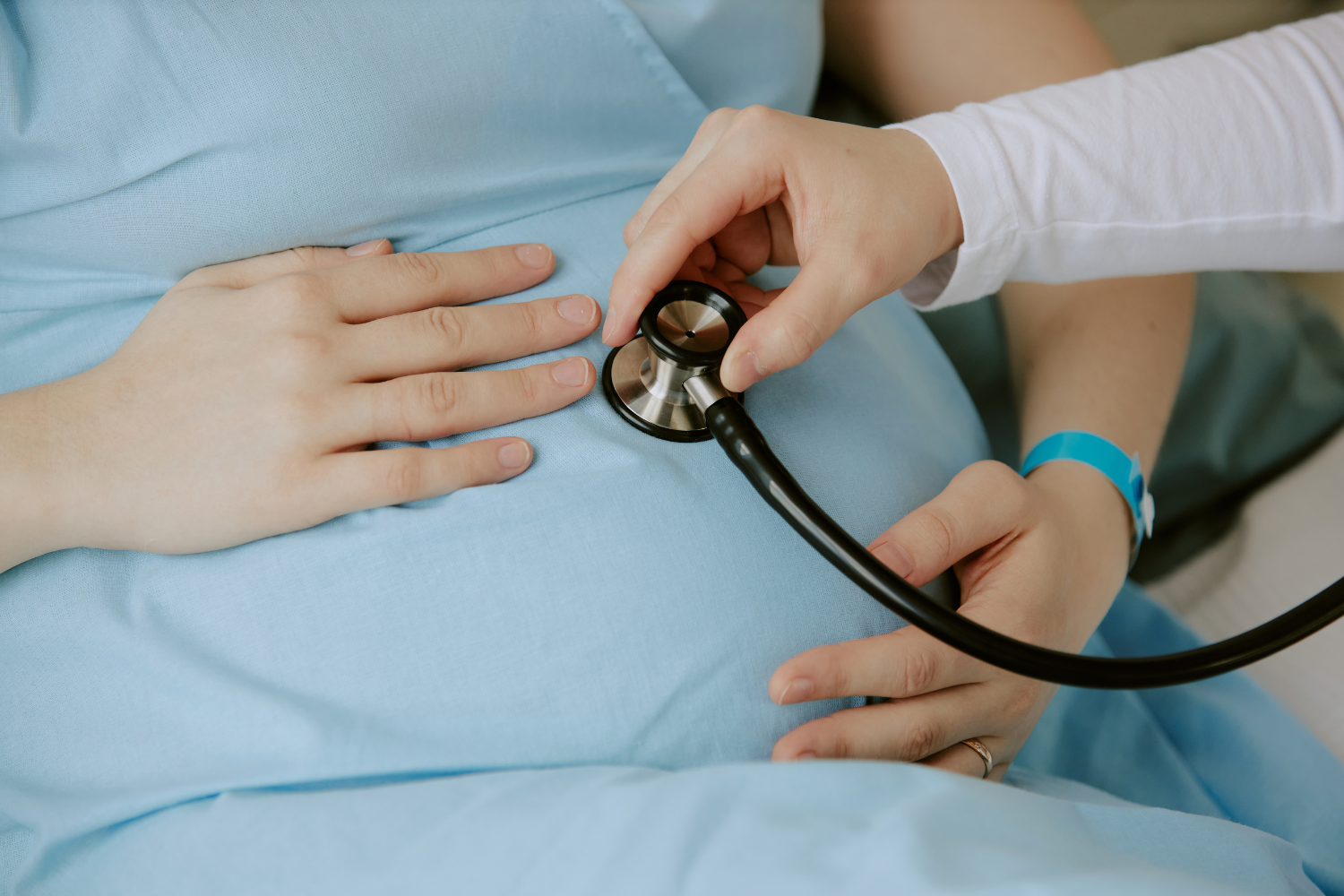
A laborist, or OB hospitalist, is an obstetrician on site in labor and delivery around the clock. Hospitals add laborist programs for safety and to relieve community OBs, but the coverage math makes them a significant commitment.
Rural emergency departments often run on locum physicians and APPs. Built as a roster, that coverage can be stable. Bought shift by shift, it is expensive and fragile.
Community hospitals rarely have a neurologist available around the clock. Telestroke programs fill that gap with remote neurologists, but response time, licensure and on-site readiness decide whether the program works.
Respiratory season hits hospitals from both sides. Census climbs while your own staff call out sick. A surge plan written in November costs far less than coverage bought in January.
Subscribe to receive your monthly dose of clinical news, insights & jobs.